Review
Look back over the day and acknowledge what you moved forward, however small.
Simple, unhurried ideas for reviewing your day, letting go of unfinished tasks and preparing gently for tomorrow.
The way you finish your day can shape how the next one begins. A short, consistent evening routine creates a natural pause between work and rest, helping you set things down with intention.
These suggestions are meant to support general well-being and a calmer transition into your evening. Adapt them freely to suit your own preferences and schedule.
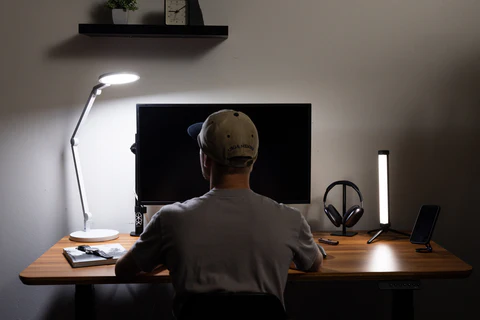
Look back over the day and acknowledge what you moved forward, however small.
Write down lingering thoughts or tasks so your mind can set them aside for now.
Outline one or two intentions for tomorrow to make the morning feel lighter.
Optional ideas you can weave into your evening to create a sense of ease.
Where possible, ease away from bright screens before rest to help your evening feel quieter.
A few written lines about your day can bring a comfortable sense of closure.
Repeating a familiar sequence each evening can make rest feel more natural over time.
A brief note about your intentions for the next day can ease the morning and connect your evening routine back to your daily plan.
Disclaimer: The planning frameworks and materials on this site are for general informational and educational purposes only. They represent organizational guidance intended to support everyday productivity and routine-building. They are not a substitute for professional advice of any kind.